
Running ads for a D2C brand in 2026 feels very different from how it did a few years ago. Back then, you could launch a couple of campaigns, push discounts, and watch orders roll in. That playbook doesn’t hold up anymore.
Attention is expensive. Customers are sharper. Platforms change the rules without warning. And yet, some brands are still scaling profitably.
So what actually changed? And what’s stubbornly still working?
Let’s talk about it—without the buzzwords.
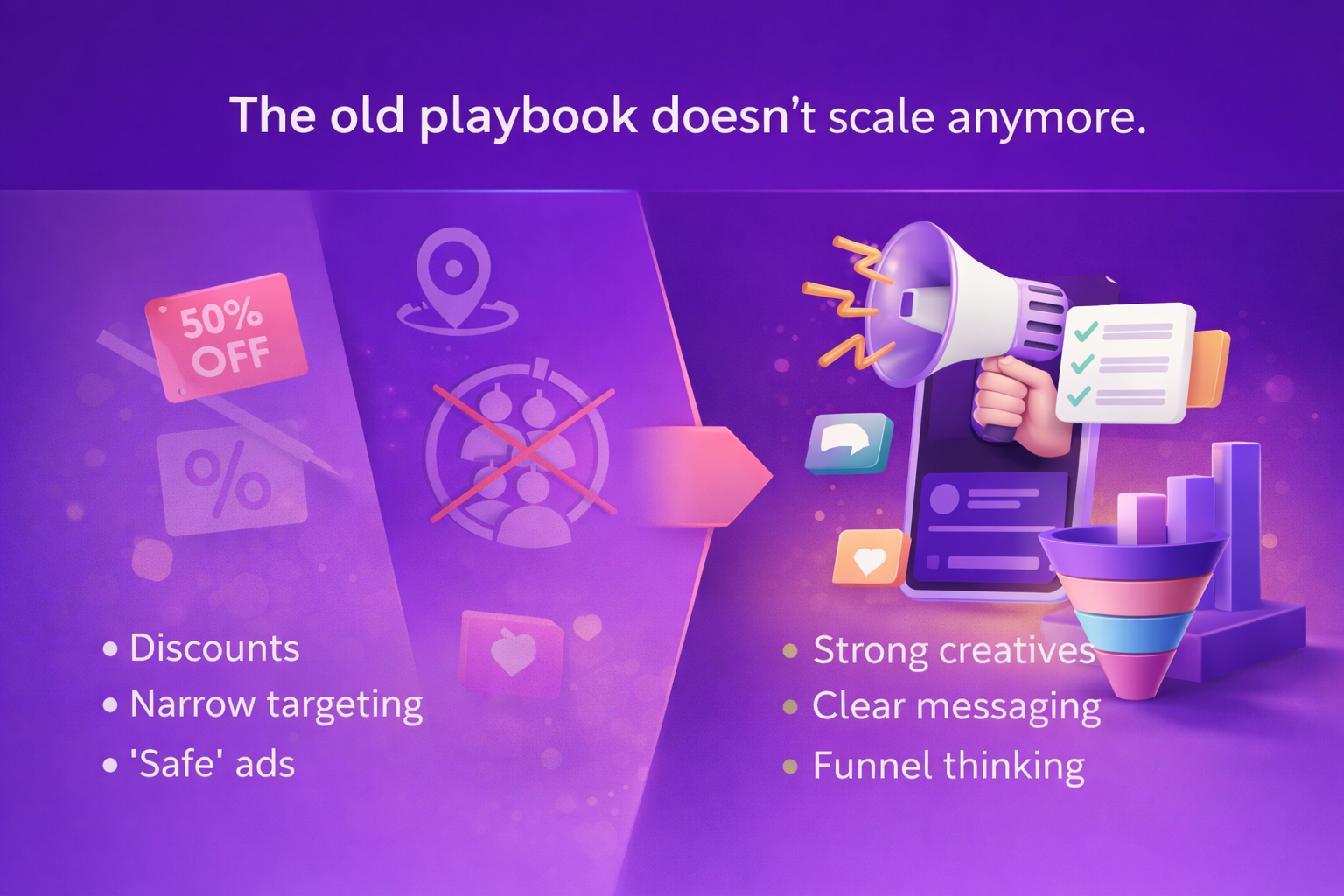
Meta and Google don’t need as much hand-holding anymore. Broad targeting works better than hyper-narrow interest stacks. That sounds nice, but it also means lazy creatives die fast.
If your ad doesn’t hook someone in the first second, it’s gone. No mercy.
We’ve seen brands spend heavily with “safe” ads and get… nothing. Clicks, maybe. Sales? Rare. It feels like shouting into a void.
In 2026, d2c performance marketing lives and dies by creative quality. Not design alone. Messaging.
What problem are you solving? Why should anyone care today, not later?
Pretty ads without a clear point fade quickly. Ugly-but-honest ads often win. That still surprises people.
Many brands obsess over finding the next channel. Truth is, most leaks happen after the click.
Slow websites. Confusing product pages. Weak trust signals.
An ecommerce performance marketing agency that ignores conversion rate is just burning money politely.
This hasn’t changed. Probably never will.
People want to know:
Brands that answer these questions directly outperform those trying to sound fancy. Always.
Dashboards are everywhere. Understanding is rare.
We once worked with a brand spending $10k on ads and getting four sales. On paper, traffic looked fine. Bounce rate told the real story. Product pages weren’t matching ad promises. We fixed that first. Sales followed.
Numbers matter. Interpretation matters more.
There’s no magical campaign structure that prints money forever. What works is steady testing, learning, and adjusting.
That’s why brands stick with a best performance marketing agency that focuses on process, not shortcuts.
A good online performance marketing agency now acts like a second brain. Strategy, creative direction, funnel thinking, and yes—ads.
Pure “we’ll manage your ad account” services struggle to add value. Brands expect more. Fairly so.
D2C isn’t one-size-fits-all. Fashion, beauty, electronics—they behave differently. Copy that converts for skincare may flop for apparel.
Agencies that understand category nuance move faster. Less guessing. Fewer expensive mistakes.
High ROAS on tiny spend doesn’t scale. Low ROAS during testing isn’t failure. It’s feedback.
If everyone sounds the same, no one stands out. Obvious, yet ignored.
Ads amplify what already exists. Weak products and unclear positioning get exposed faster.
Slow down. Look at the full picture.
Ask uncomfortable questions about your funnel, your messaging, and your expectations. Fix those before increasing budgets.
Because in 2026, performance marketing rewards brands that think clearly, move patiently, and stay honest about what’s working and what isn’t.
You scroll, you click, and… nothing—unless the strategy makes sense. That’s where Purple Circle steps in, helping brands turn noise into numbers that actually matter.
Trusted by 235+ brands