Graphic design used to mean long nights with dozens of open tabs, endless revisions, and that familiar feeling of staring at a blank canvas hoping inspiration would magically appear. Designers know the drill. Deadlines creep closer. Clients ask for “just one more version.” Your coffee gets cold while you tweak tiny details no one else will ever notice.
Things look different now.
AI tools have quietly slipped into the workflow of many designers. Not as replacements. More like assistants that handle the repetitive stuff. The resizing. The background cleanup. The first draft ideas when your brain feels stuck.
Some designers resisted at first. Fair enough. Creativity feels personal. But after trying a few tools, most people realize something simple: AI doesn’t remove creativity. It clears the clutter around it.
Let’s talk about a few tools designers are actually using to work faster.
Design isn’t just about pretty visuals anymore. It connects directly with marketing, branding, and business results. A brand and marketing agency today produces far more content than it did five years ago. Social posts, ads, landing pages, email graphics, website banners. The list keeps growing.
Clients expect speed. And consistency. Imagine a small team managing ten brands at once. Every brand needs fresh visuals weekly. Sometimes daily. Doing everything manually? That burns people out quickly.
AI helps cut that pressure. It handles repetitive tasks that don’t need deep creative thinking. Background removal. Layout suggestions. Auto-resizing designs for multiple platforms.
That extra time? Designers use it where it actually matters—concepts, storytelling, visual identity.
An ads marketing agency often works under brutal timelines. Campaign launches don’t wait for creative blocks. Designers need tools that move fast.
Here are a few that genuinely help.
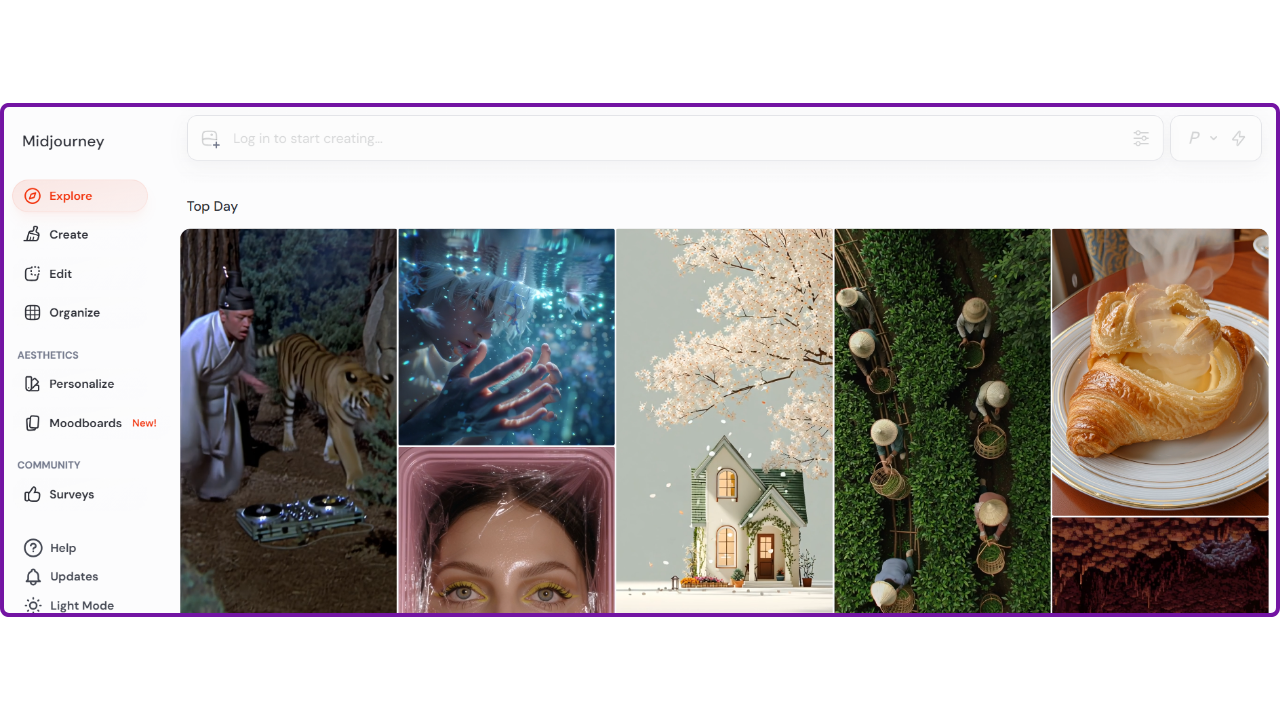
Midjourney changed the way many designers brainstorm visual ideas. Type a description. Wait a few seconds. Suddenly you’ve got four visual concepts. Maybe rough. Maybe weird. But often surprisingly inspiring.
Designers rarely use those images directly. Instead, they spark ideas. A color palette here. A lighting style there. Sometimes the best part of AI is simply getting unstuck.
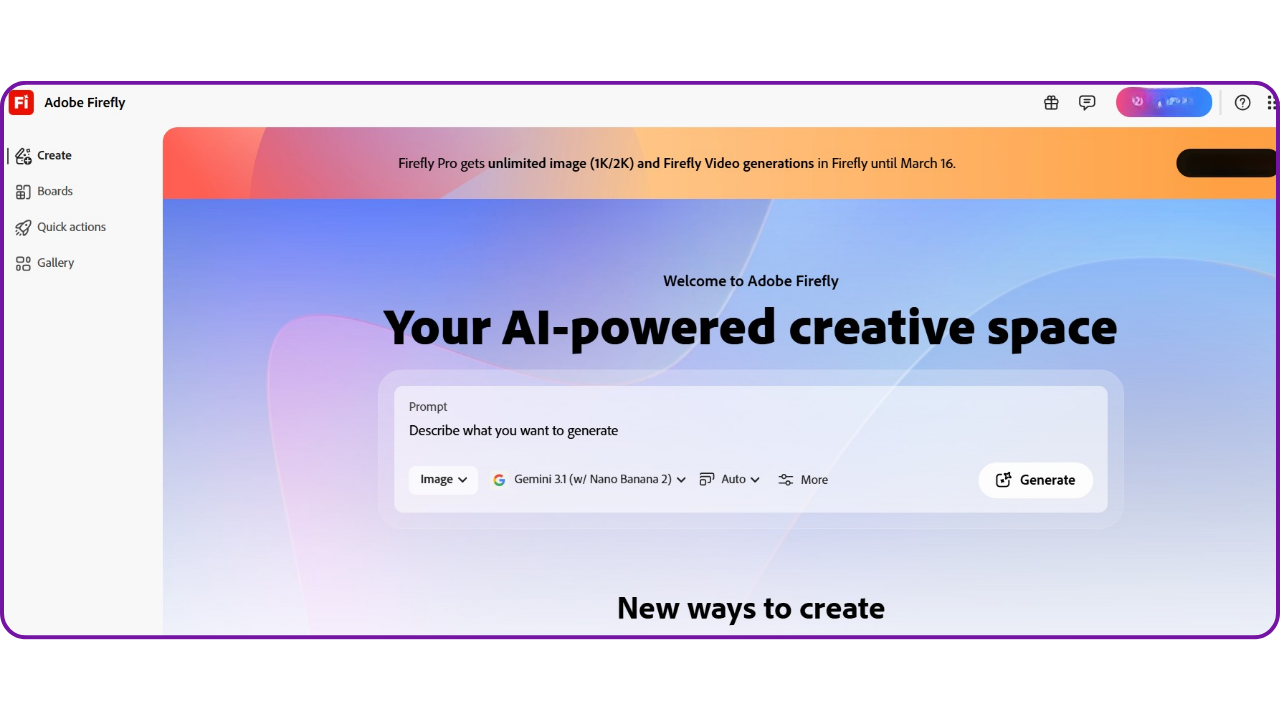
Adobe didn’t sit quietly while AI exploded. Firefly integrates directly into tools designers already use.
Need to extend a background? Firefly fills the space naturally. Want quick texture variations? Done.
Because it sits inside the Adobe ecosystem, designers don’t need to jump between platforms. That alone saves serious time.
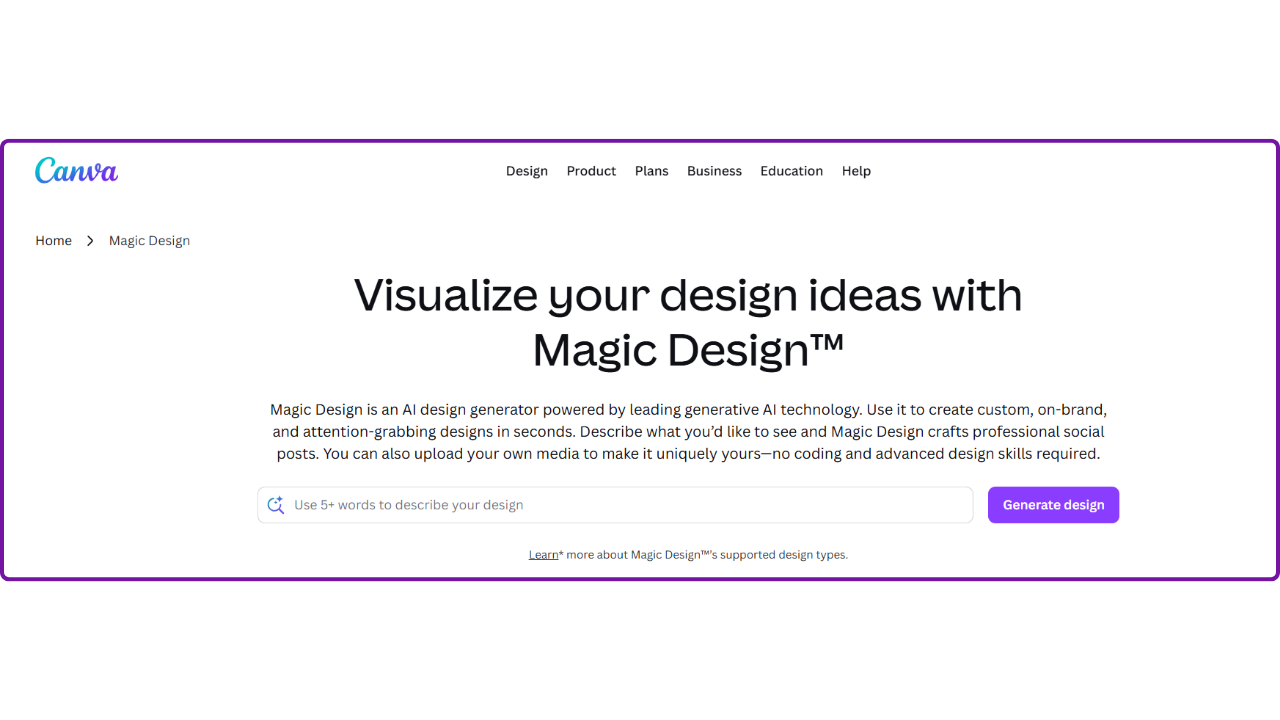
Canva gets dismissed by some professional designers. Yet many agencies quietly rely on it for quick work.
Magic Design helps create layouts automatically. Drop in your assets, choose a style, and it generates several versions instantly.
For agencies handling social media graphics at scale, speed matters more than perfection and Canva delivers that.
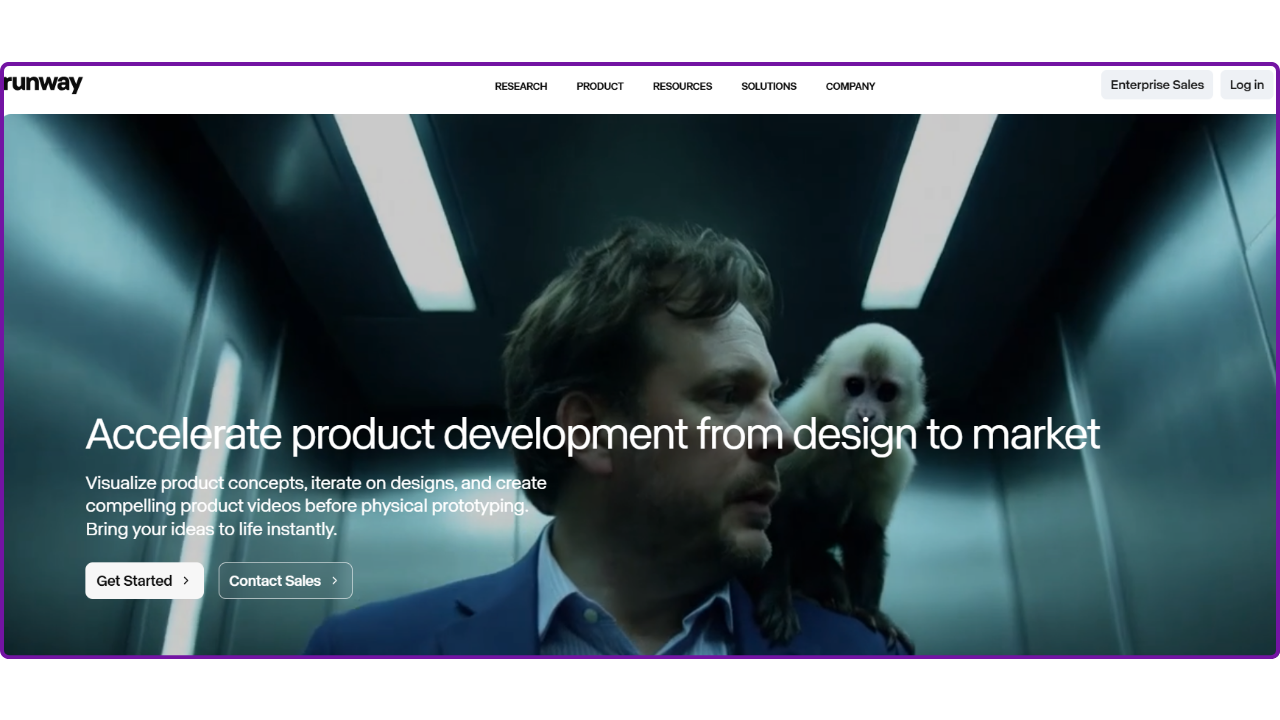
Runway ML feels like a creative playground for designers who enjoy experimenting. It’s not just about editing images. Runway pushes into video, motion graphics, and visual effects — all powered by AI. Designers can remove objects from videos, generate background scenes, or even create motion clips from simple prompts. Sounds complicated, but the interface is surprisingly friendly.
Some designers use Runway when creating animated ad creatives or social media visuals that need movement. Short video loops, dynamic backgrounds, quick edits — things that normally take hours can sometimes be done in minutes.
For an ads marketing agency, tools like this open up new creative possibilities without requiring a full video production team.
And honestly, motion content performs better on most platforms now. Static images still matter, sure. But scroll-stopping visuals often include some movement. Runway helps designers step into that space without learning complex animation software.
Designers working on social media marketing services know the grind. Instagram posts. Carousel graphics. Facebook ads. LinkedIn visuals. Reels thumbnails. Story templates. Every platform demands slightly different sizes and styles.
AI tools help designers move faster through this chaos. A designer might create one strong base design. Then AI tools resize and adapt it automatically for multiple platforms. Done in minutes.
Another advantage? Caption and content suggestions. Some AI tools help generate visual themes based on trending topics or campaign goals. Still, designers guide the final direction. AI simply speeds up the mechanical parts of the process. Because the real challenge of social media design isn’t creativity. It’s volume.
Design and SEO used to feel like separate worlds. That’s changed.
Visual content now plays a big role in how websites perform in search results. Clean graphics, optimized images, and engaging layouts keep users on the page longer. And that engagement can help improve SEO ranking. AI tools help designers produce optimized visuals faster. Image compression. Alt text suggestions. Quick infographic creation.
A marketing team once told us they redesigned their blog visuals using AI-assisted design tools. Nothing drastic. Just better visuals and clearer graphics. Visitors stayed longer. Bounce rates dropped. Search visibility improved over time. Design affects more than aesthetics. It shapes user experience.
AI tools sound exciting. They are. But they’re not magic. You still need design sense. Color balance. Layout intuition. Brand understanding. Those things don’t come from algorithms.
AI speeds up the boring work. It won’t replace taste. And honestly, that’s good news for real designers.
Design workflows are shifting. Not disappearing. A designer who once spent hours creating first drafts might now generate several concepts in minutes. Then refine the strongest idea manually.
That balance matters. Speed from AI. Judgment from humans.
Agencies that understand this balance move faster without sacrificing quality.
Graphic design keeps evolving. New tools arrive every year. Some fade quickly. Others quietly reshape the industry. AI design tools belong in that second category. They don’t replace creativity. They remove friction from the process.
For agencies juggling multiple campaigns, for teams delivering social media marketing services, and for businesses trying to improve SEO ranking, faster design workflows make a real difference.
And if you’re part of a growing ads marketing agency, speed combined with creativity becomes a serious competitive advantage.
At Purplecircle, we’ve seen how smart tools combined with strong creative thinking can transform how brands communicate visually. Technology helps—but great ideas still come from people.
Trusted by 235+ brands