
Summary:
D2C ads often fail due to weak creatives, poor targeting, and misaligned data—not high platform costs. Fixing ROAS, CAC, and unit economics is key to turning ad spend into profitable growth. Optimizing funnels, improving tracking, and using structured creative testing can reduce wasted spend. Scaling should be gradual and backed by consistent performance data, not assumptions. Partnering with a trusted ecommerce marketing agency in India helps build a predictable and scalable growth engine.
Many D2C brands think ads are “too expensive,” but the real issue is poor ROAS, high CAC, and weak unit economics—not the platforms. Before scaling, you need a data-driven approach to fix creatives, targeting, funnel friction, and tracking.
As a leading ecommerce marketing agency in India, we help brands stop wasting ad spend and turn campaigns into profitable growth engines.
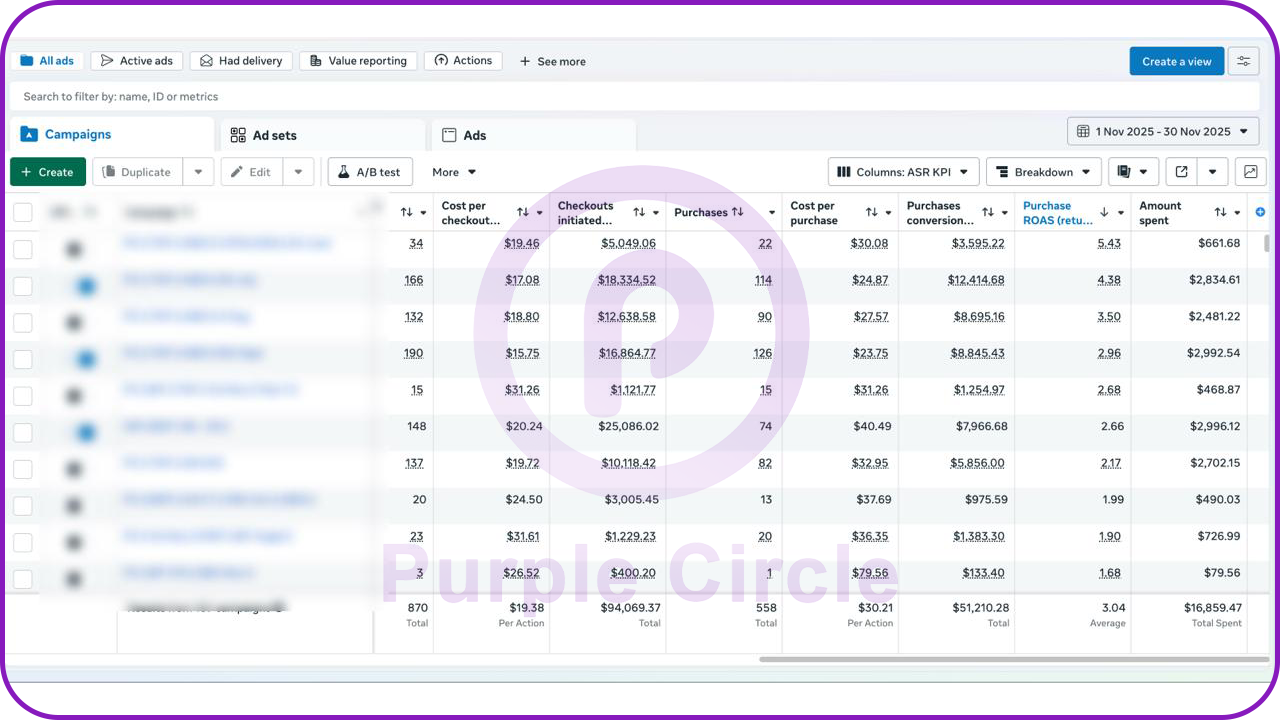
Most founders blame “high CPMs” while ignoring the real leaks: weak creative, misaligned funnels, bad targeting, and dirty data. Fix these first, and your existing budget can start delivering 2x–3x better ROAS.
Stop chasing ROAS as a single metric. Add CAC, margin, and 7–14‑day LTV into your evaluation and set rules like “CAC ≤ 30% of AOV and ≥ 2x ROAS over 14 days.” If a campaign doesn’t meet both, pause it—even if it looks “hot” on Meta.
Weak creativity is the biggest ROAS leak. Instead of dumping hundreds of random videos, run structured creative sprints and build 3–5 tight variants of each winning ad format. Double down on what the algorithm rewards, not what you personally like.
If your landing pages, product pages, or checkout are slow or confusing, your ads are just subsidizing UX failures. Clean up friction, speed up pages, and add 1‑click upsells or instant checkout to recover a big chunk of your CAC in the first week.
Broad, low‑intent audiences look cheap but drive up CAC. Segment traffic into cold, warm, and hot buckets, and reserve 30–40% of budget for retargeting and remarketing. These layers usually deliver the highest ROAS and most predictable performance.
Bad tracking, broken pixels, and mismatched events make algorithms learn on noise. Fix Pixel + CAPI, ensure Purchase events fire correctly, and run fewer campaigns optimized to Purchase or Revenue with cost‑caps tied to your CAC target.
Scaling by instantly doubling one ad set often breaks learning. Instead, clone your best performers into new audience buckets, then increase budgets in 15–20% steps every 48 hours while watching first‑touch CPA and 3‑day blended CAC.
If first‑order revenue is less than your CAC, you’re losing money. Use post‑purchase upsells, repeat‑purchase flows, and strong email/SMS/WhatsApp sequences to recover and reduce blended CAC over time, turning your ads into a long‑term growth engine.
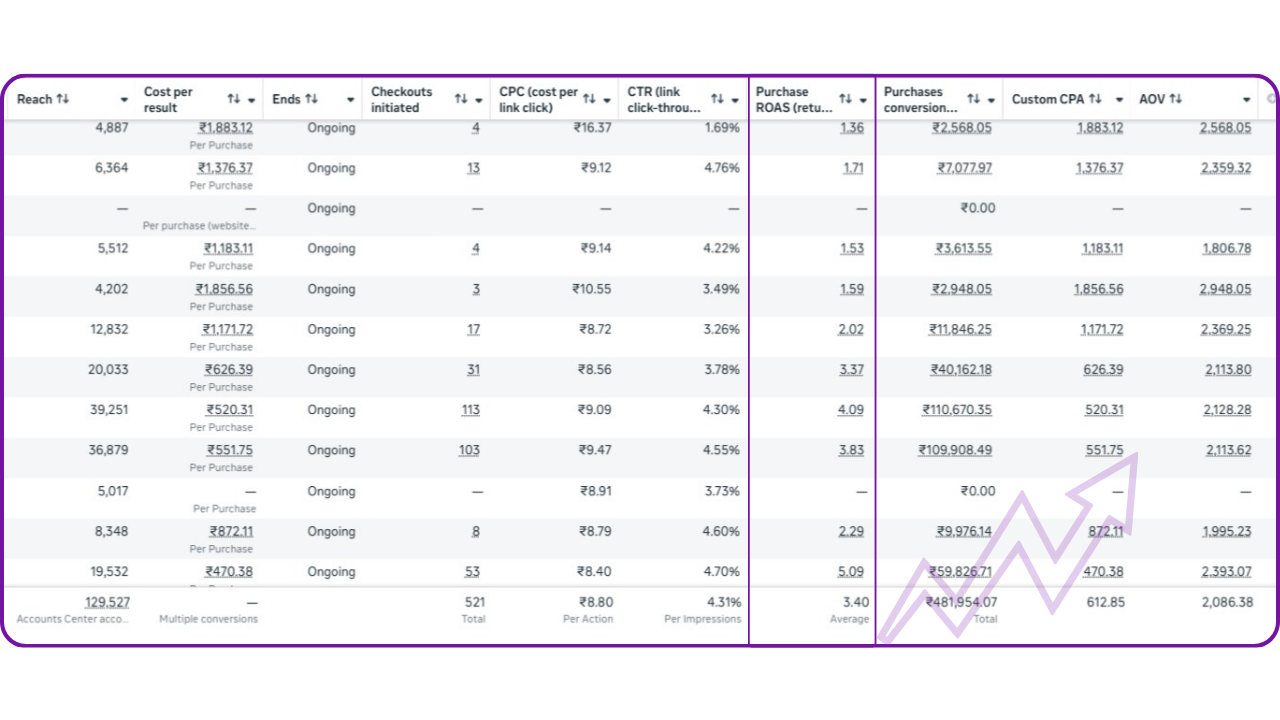
D2C ads aren’t burning your money because Meta or Google “got expensive”—they’re burning money because your creative, targeting, funnel, and data are misaligned with your unit economics. Fix those first, then scale deliberately—with the support of a results-driven ecommerce marketing agency in India.
When your ROAS, CAC, and early LTV are in sync, scaling stops feeling like a gamble and starts feeling like a predictable growth lever for your brand. Use this playbook as your checklist before you hit “increase budget”: if even one pillar is weak, pause the scale button and tighten the foundation instead.
Done right, your ads won’t just drive sales—they’ll fund a repeatable, profitable growth engine for your D2C business.
Clicks, impressions, and reach look good—but they don’t pay the bills. Focus on metrics like CAC (Customer Acquisition Cost) and ROAS (Return on Ad Spend) to understand real profitability.
If your ads are reaching the wrong audience, no creative will save you. Refine your targeting using customer data, lookalike audiences, and behavior insights to reach people who are more likely to convert.
In D2C, ad fatigue hits fast. Rotate creatives frequently and test different formats (UGC, testimonials, short videos). Strong storytelling can significantly improve conversions.
Even the best ad will fail if your website doesn’t convert. Ensure fast load speed, clear messaging, trust signals, and a smooth checkout process to reduce drop-offs.
Most users don’t buy on the first visit. Use retargeting ads to bring back visitors who showed interest but didn’t convert—it’s often cheaper and more effective than cold traffic.
D2C ads don’t fail because platforms are expensive—they fail when strategy, data, and execution are out of sync. When you align your creatives, targeting, funnel experience, and unit economics, performance improves without blindly increasing budgets. The brands that win are the ones that treat advertising as a system, not a gamble. With the right structure—and the guidance of a performance-focused ecommerce marketing agency in India—you can turn inconsistent results into a predictable, scalable profit engine.
A “good” ROAS depends on your margins, but most D2C brands aim for 2x–4x ROAS at minimum. The key is ensuring your ROAS supports profitability after factoring in CAC, product costs, and operational expenses.
You can lower CAC by improving ad creatives, optimizing landing pages, refining targeting, and leveraging retargeting campaigns. Even small improvements in conversion rate can significantly reduce acquisition costs.
Scale only when your campaigns are consistently hitting target CAC and ROAS over a stable period (7–14 days). Increase budgets gradually and monitor performance closely to avoid breaking what’s already working.
Trusted by 235+ brands